You’d like to introduce your child to journaling. But handing them a notebook and saying “write about your day” leaves quite a bit for them to figure out. Which part? How much? And are you going to read it afterward?
I’d start by showing them a few things they could put on a page, then letting them try something they like. A drawing with a caption is a perfectly useful beginning. The aim is to help them find a reason to open the notebook again.
Start with something they already enjoy

Kids are like little gremlins: fun, adventurous, and very into whatever has caught their eye. Want them to try journaling? Help them find something to like about it. Start by thinking about what your child already enjoys and might want to keep.
A funny thing someone said? A picture of something they built? A running list of books they want to read?
That gives you a more inviting way to introduce it: “You could use this to keep your drawings and little notes about things you like.” They can add thoughts and feelings as they want to. A page about their favorite game doesn’t need to become a conversation about their emotional growth. Sometimes the game is the interesting part.
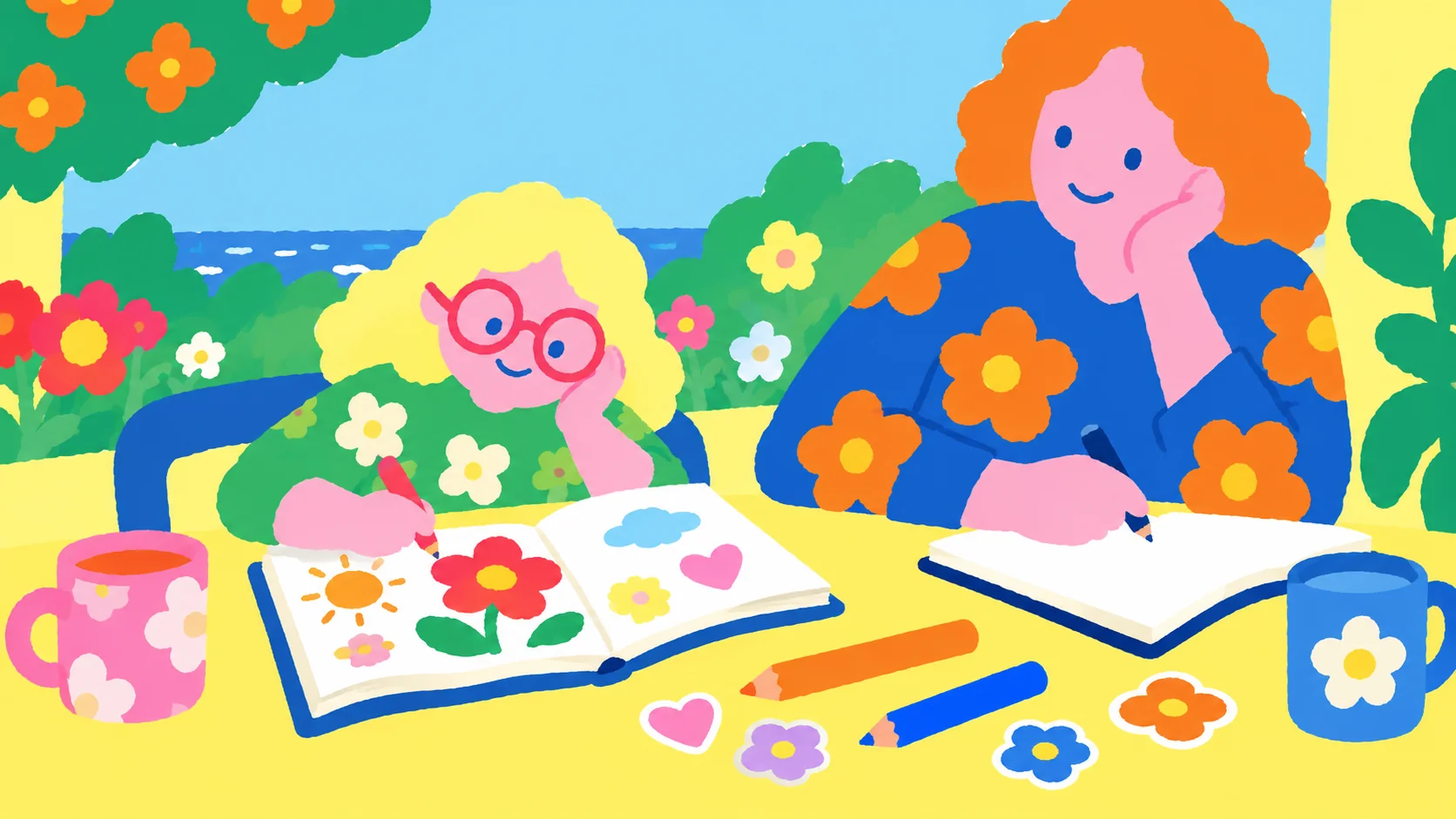
If you keep a journal yourself, write nearby and offer to let them join you. Show them a page you’re comfortable sharing, so they can see what you mean. Keep the invitation casual: “I’m going to write for a few minutes. Want to draw or write something too?”
Choose a notebook they can make their own
A plain notebook is enough. Let your child choose between a couple you already have, or pick one out together. Blank pages work well for drawing; lines may be helpful if they prefer writing. There’s no need to buy a whole set of supplies before you know whether they enjoy it.
If they’d rather make a journal, fold a few sheets of paper inside a piece of cardstock and help fasten them along the fold. They can give it a name and decorate the cover. A small handmade book can feel easier to begin than a thick notebook with a hundred empty pages waiting.
Leave some room for their version of a journal. Stickers, doodles, photos, and little notes can share the same page. Let them decide what belongs there.
Match the writing to what your child can do
Age can give you a starting point, but I’d pay more attention to how comfortable your child is with writing. Two children the same age may need very different amounts of help.
- For preschoolers and children who aren’t writing yet: start with a picture. If they want to tell you about it, offer to write their words beside it. Ask before adding anything to their page.
- For children learning to write: a drawing with a label or one short sentence is enough to try. They can tell you a longer thought if getting it onto the page is tiring.
- For children who write comfortably, including preteens: offer ideas when they ask, and give them more space to decide what the notebook is for. Lists, comics, longer entries, or a mix can all fit.
You don’t have to wait for fluent sentences before giving this a try. A picture and a few words they’ve asked you to write can tell the story together.
And when they do write, resist the urge to fix every spelling mistake. I know, the missing letters are right there. But if they’ve invited you to look, respond to what they wanted to show you first. Help with spelling when they ask; keep any separate writing practice separate.
Give the first page an easy starting point
“Write anything” sounds wonderfully free until you’re staring at the paper. A small, specific question can help. Offer one that fits their interests, and let them change it if they have a better idea.
Here are a few things kids can write or draw in a journal:
- What made you laugh today? Draw it or write down what happened.
- What’s something you made that you want to remember?
- Which snack deserves first place this week? What makes it so good?
- What would you like to learn how to do?
- Was there a part of today you wish had gone differently?
The snack question may get a much longer answer than the feelings question. I’d happily take that. They’ve found something they have an opinion about.
For a first entry, a drawing of a tower with “It fell down three times” underneath already tells a little story. If they want to add what happened next, great. If they’re finished, leave the page as it is.
Be clear about who gets to read it
Talk about this at the beginning, especially if you’re suggesting that your child write about personal things. Tell them you’ll ask before reading, and that showing you one page doesn’t mean they’ve agreed to share the whole book. Follow through by asking before taking photos or showing an entry to someone else, too.
Children’s Healthcare of Atlanta’s Strong4Life guidance recommends letting children share their journals by choice and keeping regular conversations about their feelings separate from reading their private pages.
You can still write together. If your child likes the idea, a shared notebook can be a place to leave each other questions, little notes, or drawings. Agree that you’ll both read that notebook. It serves a different purpose from a private journal, and making that clear avoids an awkward surprise later.
When they choose to share something, follow their lead. “Do you want to tell me more?” leaves room for them to talk. It also leaves room for “no.”
Make it easy to come back
Try a few minutes at a time that suits you both. Keep the notebook and a few pencils somewhere your child can reach, while letting them choose a private place to store finished entries. An occasional invitation may be all the routine they need at first.
I wouldn’t set a daily page target. If they skip a week, the next entry can simply be about today. There’s no backlog to catch up on.
If they lose interest, find out what they don’t enjoy. Having nothing to say is different from finding handwriting tiring. A photo with a caption might suit the second problem; a more interesting topic might help with the first. If they just don’t want to journal, leave the offer open and do something else together.
In a nutshell
Give your child a notebook and let them start with something they care about. A drawing, a joke, or a fiercely argued snack ranking all count. Offer to write alongside them, and let them decide what to share. If they want to open the notebook again, you’re off to a good start. If they don’t, the notebook can wait. It’s remarkably patient.