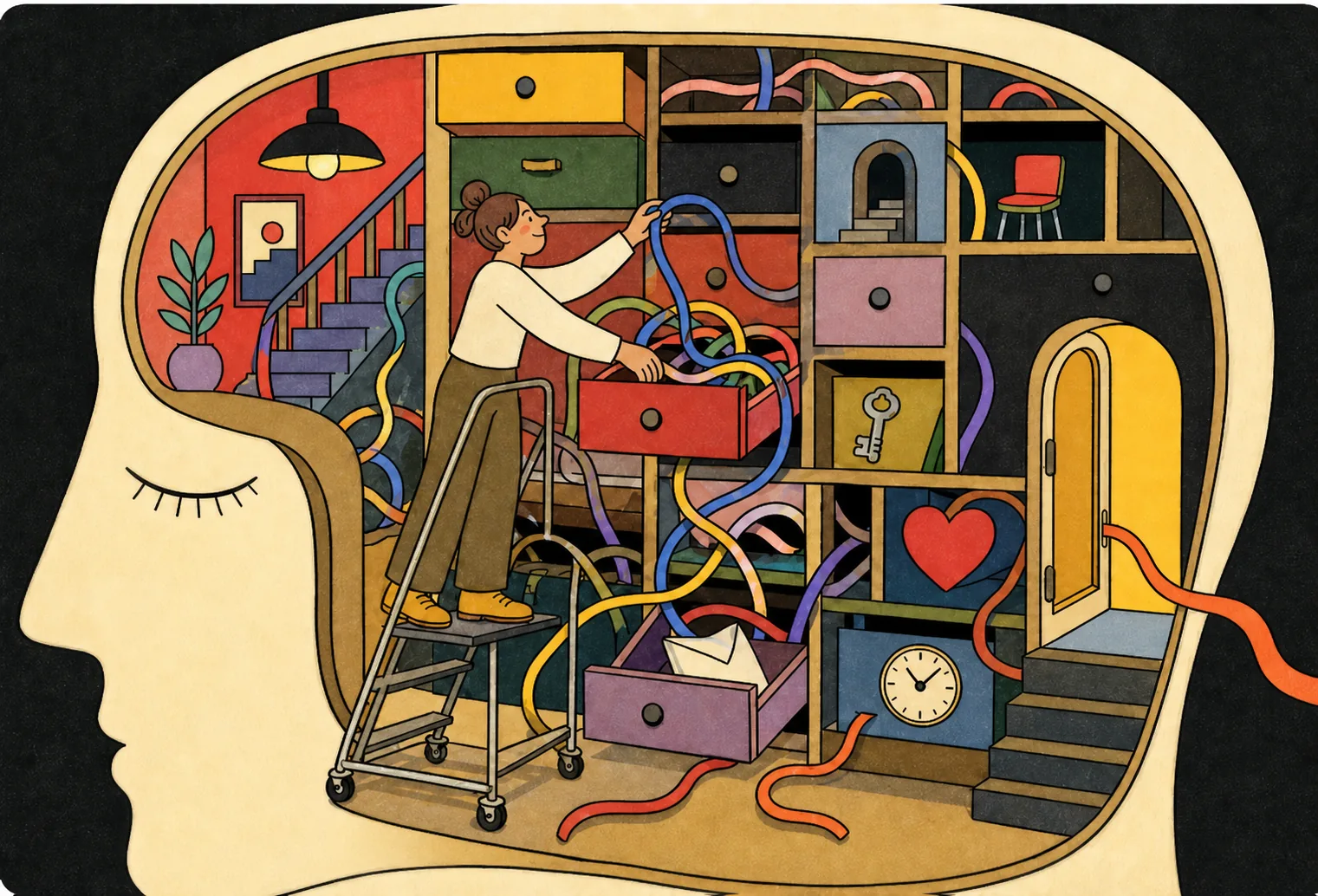
Performance-review season has a particular kind of amnesia. Eleven months of work vanish, leaving you with one recent project and the phrase “helped the team.”
A work journal is not a secret transcript of every meeting. It is a private record of what changed because you were there.
Write outcomes, not activity fog
“Worked on onboarding” tells future-you almost nothing. Use problem → action → result.
Problem: New users were missing the setup email.
Action: Audited the flow, found a broken trigger, and worked with engineering on the fix.
Result: Support tickets about setup dropped from 18 a week to 5.
If you do not have a number, record the observable change: a decision became clear, a launch moved forward, a client renewed, a teammate could work independently.
The Friday five
Don't make Friday do all the remembering. Keep a rough dated page during the week for tasks, quick notes, and decisions. At the end of the day, move unfinished tasks to the work system you actually check. On Friday, pull only the wins, feedback, and decisions worth keeping into your journal. This video shows one person's paper-and-digital version; you don't need his exact setup.
- What did I finish or move forward?
- What problem did I prevent or solve?
- What feedback did I receive?
- What did I learn that will change my next attempt?
- Who helped—and who did I help?
Five bullets are enough. Harvard Business Review has reported research suggesting that deliberate reflection can improve performance, while Harvard’s self-evaluation guidance recommends specific examples and outcomes. The journal gives those examples somewhere to accumulate before you need them.
Keep it factual and keep it private
Do not copy confidential customer data, passwords, medical details, or private conversations into a personal tool. Follow your employer’s policies. Write the useful shape of the event, not sensitive content — the same privacy thinking applies here, with higher stakes.
Also record difficult moments without turning the journal into a prosecution file. “I felt ignored” is real. Add what happened, what you asked for, and what you will try next. That makes the note useful for a manager conversation—and for you.
Review it monthly, not only when you are angry
Look for repeated invisible work, tasks you should stop doing, skills you are building, and promises that keep slipping. The self-reflection prompts are useful for that monthly pass. A work journal is most valuable when it helps you steer, not merely prove that you were busy.
Calendar says where your time went. A work journal says what your time did.